Fetal Bovine Serum: The Ethical Reality Behind a Crucial Scientific Resource
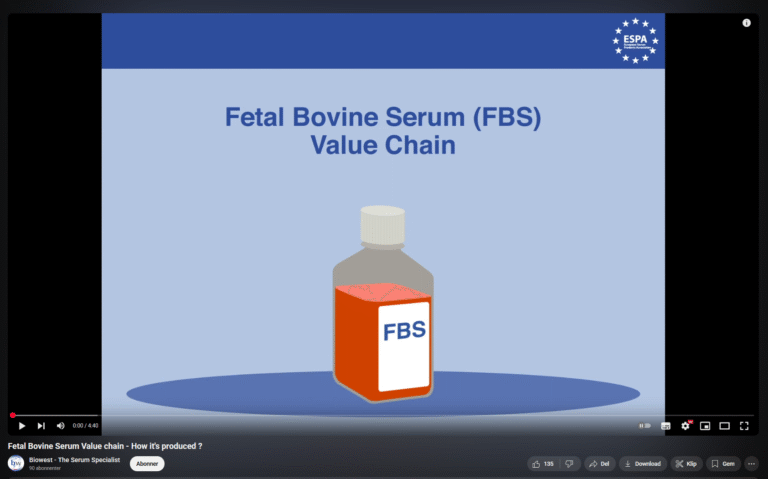
Fetal Bovine Serum (FBS) is an indispensable component in cell culture media, used extensively in research, diagnostics, and therapeutic innovation. Yet, misconceptions persist about how it is sourced—particularly concerning the slaughter of pregnant cows.
A 2019 article by Ole Bødtker Nielsen, President of the European Serum Products Association (Global Serum Alliance), and regulatory affairs consultant Dr. Percy W. Hawkes, dispels the myths and explores the animal welfare implications of FBS harvesting. Their insights are both timely and necessary in an age of increasing scrutiny around the ethics of biotechnological processes.
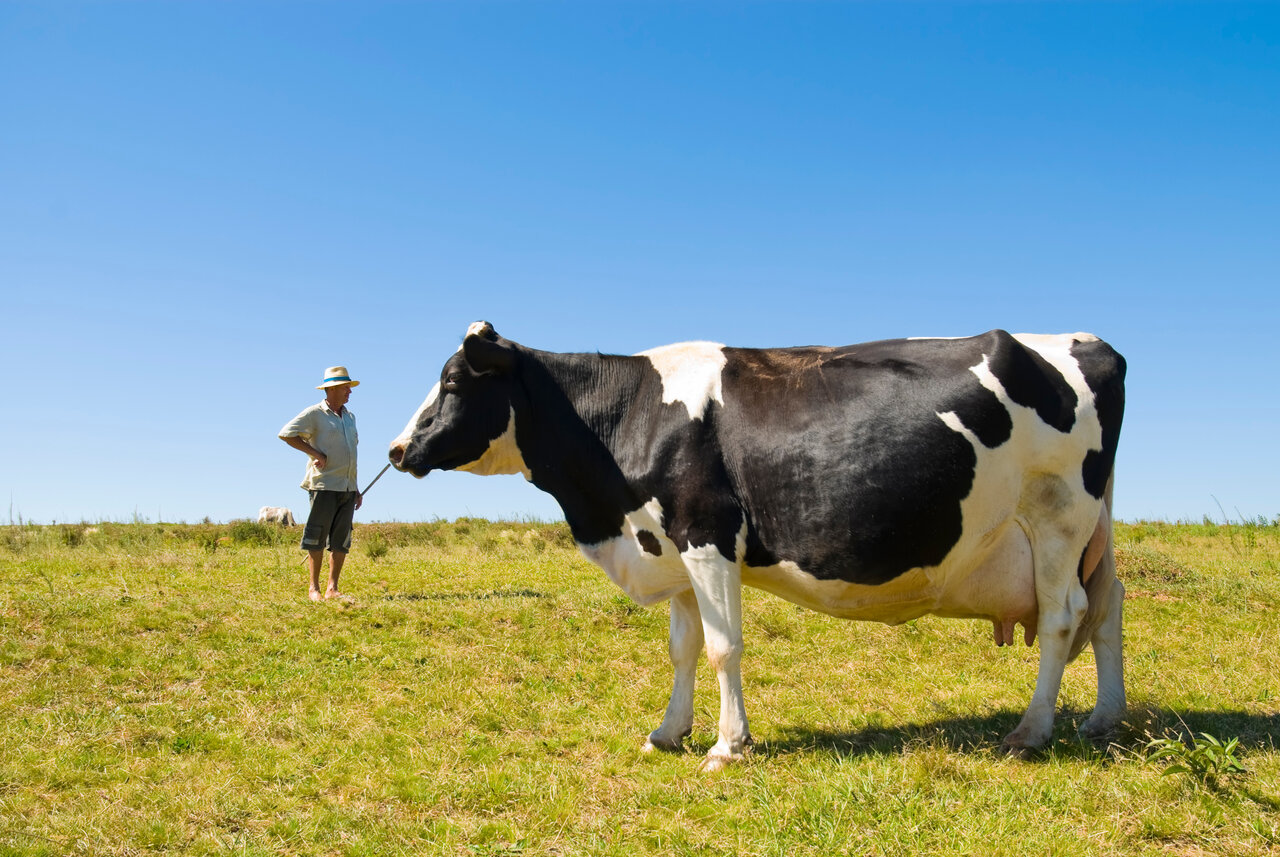
When Are Pregnant Cows Slaughtered – And Why?
Pregnant cattle can end up at slaughter for several legitimate reasons:
- Farmers may not be aware of pregnancies due to failed diagnosis or lack of information transfer.
- Economic necessity, poor health, or herd management strategies may necessitate slaughter.
- Natural breeding in unsupervised conditions may lead to unexpected pregnancies.
A European Food Safety Authority (EFSA) study estimates that around 3% of dairy cows and 1.5% of beef cattle are slaughtered in the last trimester of gestation, often without the farmer’s prior knowledge
Does the Fetus Suffer? Scientific Consensus Says No
Scientific evidence, supported by the OIE (World Organisation for Animal Health), AVMA, and the Global Serum Alliance, shows that:
- The fetus remains unconscious while inside the uterus due to natural neuro-inhibitors.
- Death occurs within 15–20 minutes from anoxia (oxygen deprivation) post-mortem of the cow.
- Proper protocols are in place: fetuses are not exposed to air, and if they are, they are immediately euthanized.
A study in France confirmed that no fetus showed signs of life when fetal blood was harvested more than 40 minutes after the cow’s slaughter
Source & Credit:
This article is adapted from:
Ole Bødtker Nielsen and Percy W. Hawkes. Fetal Bovine Serum and the Slaughter of Pregnant Cows: Animal Welfare and Ethics. BioProcessing Journal, January 2019.
Available at: www.bioprocessingjournal.com